The Revival of Natural Indigo: How Modern Dyers Are Bringing Back an Ancient Craft
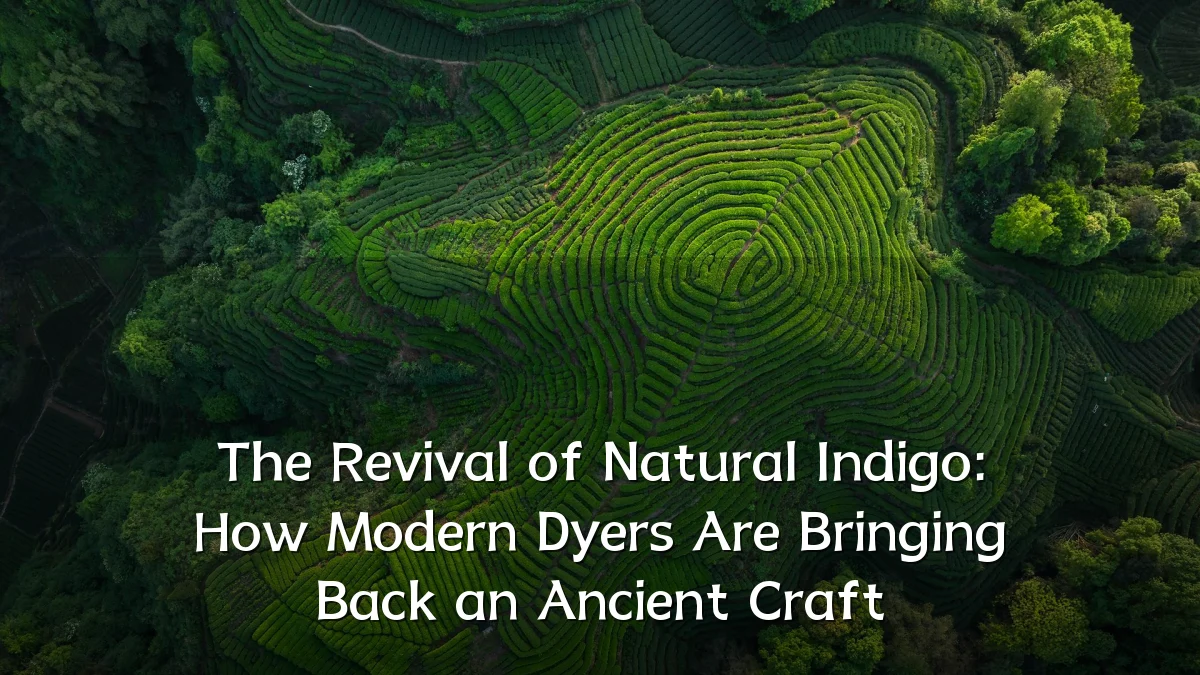
Recent Trends in Natural Indigo
Over the past several years, a growing number of independent dyers, small-scale textile studios, and boutique denim brands have shifted away from synthetic indigo toward plant-derived sources. This movement is visible in the rise of workshops, online courses, and community fermentation vats—especially in regions such as Japan, India, the United States, and parts of Europe. Social media has accelerated awareness, with time-lapse videos of indigo vat preparation and dyeing processes attracting millions of views.

- Small-batch indigo farms are reappearing in traditional growing areas like Gujarat (India) and Okinawa (Japan).
- Several heritage denim labels now offer “natural indigo” collections, often at premium price points.
- DIY indigo kits—containing dried leaves, lime, and reducing agents—are sold through craft retailers and online marketplaces.
- Fashion weeks have featured naturally dyed garments as part of sustainability-focused runway shows.
Background: What Natural Indigo Means
Natural indigo is obtained from plants of the genus Indigofera, as well as from woad (Isatis tinctoria) and certain other species. The pigment is extracted through a fermentation process that converts indican into indigotin, the blue compound. Unlike synthetic indigo, which is produced via chemical synthesis from petroleum-derived precursors, natural indigo is renewable, biodegradable, and typically grown without synthetic fertilizers.
“Natural indigo is not just a color—it’s a living process. The vat requires careful pH and temperature management, and the dyer learns to read subtle shifts in the bath.” — common sentiment among veteran practitioners.
Historically, indigo was a major global commodity, but by the early 20th century synthetic alternatives had largely replaced it due to lower cost and consistent yield. The current revival is driven by environmental concerns, artisanal appeal, and a desire for authenticity in textiles.
User Concerns: Cost, Consistency, and Colorfastness
Dyers and consumers considering natural indigo face several practical challenges:
- Higher cost: Natural indigo pigment can be three to ten times more expensive than synthetic versions, depending on source and processing method.
- Variable results: Fermentation vats produce slightly different shades across batches, making large-scale color matching difficult.
- Fading behavior: Natural indigo typically fades to softer, greener blues over time—some users prefer this character, while others expect uniform color retention.
- Learning curve: Maintaining a living vat requires skill; beginners often struggle with pH balance, temperature control, or over-reduction.
- Availability: Reliable sources of dried indigo leaves or pre-reduced pigment are still limited outside major artisan hubs.
Likely Impact on the Textile and Fashion Industry
The revival is unlikely to displace synthetic indigo in mass-market denim production, but it is reshaping niche segments:
- Artisanal and slow-fashion brands are using natural indigo as a key differentiator, often commanding premium pricing.
- Denim manufacturers are experimenting with blended vats—partial natural indigo combined with synthetic—to reduce environmental load while maintaining cost targets.
- Indigo farming communities in countries like India, Indonesia, and El Salvador are seeing renewed interest and income opportunities.
- Educational programs at design schools now routinely include natural dye workshops, building a pipeline of skilled practitioners.
- Some larger brands are investing in regenerative agriculture projects to secure domestic natural indigo supply.
Environmental benefits are real but context-dependent: natural indigo typically requires more land and water per kilogram of pigment than synthetic production, though it avoids petrochemical inputs and toxic waste streams.
What to Watch Next
Several developments could shape the trajectory of natural indigo in the coming years:
- Scalable farming innovations: Research into higher-yielding indigo varieties and water-efficient cultivation could reduce price gaps.
- Bio-engineered alternatives: Companies are exploring yeast-based fermentation to produce indigotin without plants—potentially offering a middle ground between natural and synthetic.
- Certification and labeling: Clear standards for “natural indigo” (e.g., percentage of plant-derived pigment, processing methods) are still lacking; their emergence would affect consumer trust.
- Wastewater treatment: Improved methods for handling the alkaline byproducts of natural indigo vats could address a current environmental drawback.
- Collaborative supply chains: Direct partnerships between dyers and farmers—bypassing intermediaries—may lower costs and ensure fair compensation.
As the craft matures, the conversation is shifting from “natural versus synthetic” to a more nuanced evaluation of how indigo is grown, processed, used, and disposed of—reflecting a broader trend in textile sustainability.